Taj Mahal
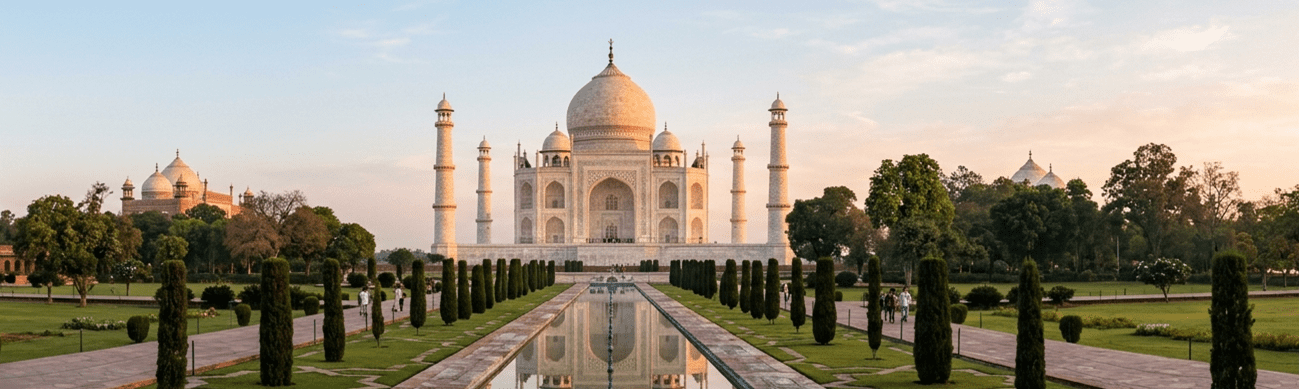
Taj Mahal is a world famous White Marble Mausoleum known for its art, engineering, architecture design and unconditional love. Taj Mahal is located on the bank of Yamuna River in Agra Uttar Pradesh, India.
The Taj Mahal was commissioned and built by the Fifth Mughal Emperor Shah Jahan in 17th century, in memory of his second Wife Mumtaz Mahal.
The Monument symbolize the eternal love and devotion towards his wife. It recognized as a UNESCO World Heritage Site and considered as one of the greatest achievements of Indo-Islamic architecture and refer as the Seven Wonders of the World.
Symbol of Love
The Taj Mahal is often known as the symbol of eternal love because it was built by Shah Jahan in memory of his beloved wife Mumtaz Mahal. Mumtaz was very closely with Shah Jahan, she support him on military campaigns and trusted adviser of him.
In 1631, while giving birth to their 14th child Mumtaz Mahal was died. Her death devastated Shah Jahan very deeply. Then he decided to build a monument on the memory of her.
This project was became the largest architectural of the Mughal era. For it Construction thousands of artist, architects and laborers are working on the monument for more than 20 years.
Architectural Design
Taj Mahal Architecture is the finest example of Mughal design with a combine element of Persian, Islamic, Turkish and Indian traditions. The Monument is admired as the perfect symmetry, elegant proportion and intricate decorative detail design.
The Area is spread over 42 acres (17 hectares) and consists of several architectural components including the Main Mausoleum, Grand Entrance Gateway, Mosque, Guest Houses, Gardens, Water Channels and decorative Courtyards.
The Main Mausoleum
The Central (Main) Mausoleum is the most important element of Taj Mahal, because it is stands on a large square platform that elevates it above the surrounding landscape. The building design is completely same and symmetrical on all four sides and it follows an octagonal floor plan (a common feature in Islamic Architecture).
The Central Dome
Central Dome is often described as the onion dome because of its bulbous shape, and is rising to the height of approximately 73 m from the ground that dominates the skyline and serves as the focal point of entire complex. It stands on a cylindrical base known as a drum, which increase its height. The Dome is crowned by a decorated finial that combines Islamic and Indian design.
Minarets
The Minarets is elegant towers that are located at the four corners of Taj, it were standing about 40 meters (130 ft) hight.
Each of the Minarets is divided into three section and is crowned with a small domed pavilion called a chhatri, which reflects the blend of Mughal and Indian architecture style.
The Charbagh Garden
A beautiful Mughal style garden designed according to Persian concept of Charbagh meaning “Four Garden”. It is divided into four equal parts by raising pathways and water channels that symbolize the four rivers of Paradise. It is located on the front of Mausoleum and it enhance the beauty, balance and spiritual significance of monument.
Color changing
Taj Mahal is famous for its changing color throughout the day. The effect occurs because the white marble reflects and absorbs sunlight.
- At Sunrise, it appears soft pink
- During Day, it appears white and radiant
- At Sunset, it appears golden and orange hues
- On Moonlight, it appears silvery blue and ethereal
UNESCO World Heritage Site
The Taj Mahal was designated as a UNESCO World Heritage Site in 1983 because of its cultural and architectural design to humanity.
UNESCO recognized it for several reason
- Masterpiece of Architecture
- Outstanding Artistic Value
- Historical Importance
- Universal Symbol of Love
- Outstanding Universal Value
Nearby Places to Visit in Taj Mahal
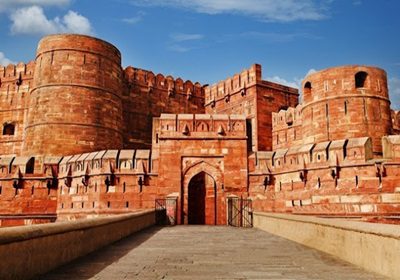
Agra Fort
Lorem ipsum dolor sit amet, consectetur adipiscing elit. Ut elit tellus, luctus nec ullamcorper mattis, pulvinar dapibus leo.
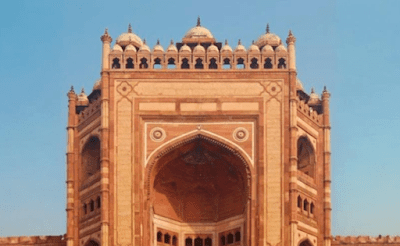
Fatehpur Sikri
Lorem ipsum dolor sit amet, consectetur adipiscing elit. Ut elit tellus, luctus nec ullamcorper mattis, pulvinar dapibus leo.
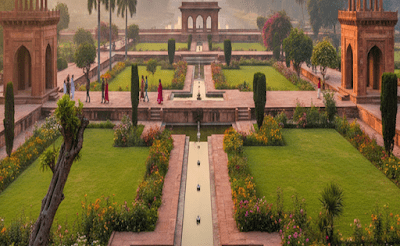
Ram Bagh
Lorem ipsum dolor sit amet, consectetur adipiscing elit. Ut elit tellus, luctus nec ullamcorper mattis, pulvinar dapibus leo.
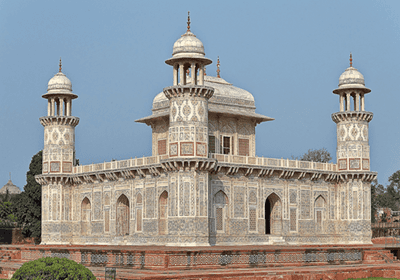
Itimad-ud-Daula's
Lorem ipsum dolor sit amet, consectetur adipiscing elit. Ut elit tellus, luctus nec ullamcorper mattis, pulvinar dapibus leo.
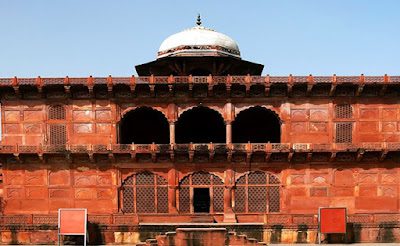
Taj Museum
Lorem ipsum dolor sit amet, consectetur adipiscing elit. Ut elit tellus, luctus nec ullamcorper mattis, pulvinar dapibus leo.
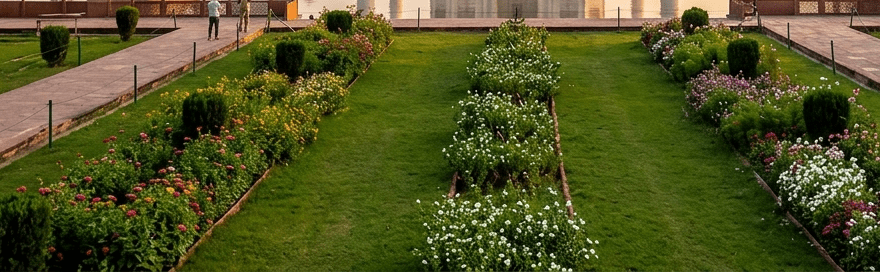
Mehtab Bagh
Lorem ipsum dolor sit amet, consectetur adipiscing elit. Ut elit tellus, luctus nec ullamcorper mattis, pulvinar dapibus leo.
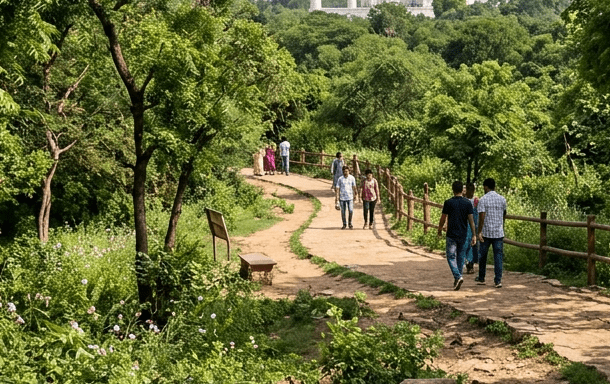
Taj Nature Walk
Lorem ipsum dolor sit amet, consectetur adipiscing elit. Ut elit tellus, luctus nec ullamcorper mattis, pulvinar dapibus leo.
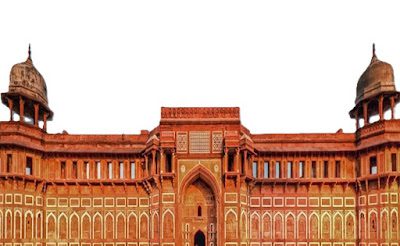
Jahangir Palace
Lorem ipsum dolor sit amet, consectetur adipiscing elit. Ut elit tellus, luctus nec ullamcorper mattis, pulvinar dapibus leo.

Photo Point Agra
Lorem ipsum dolor sit amet, consectetur adipiscing elit. Ut elit tellus, luctus nec ullamcorper mattis, pulvinar dapibus leo.
How to Reach
The nearest airport is Agra Airport (AGR), which is approximately 10 km from Taj Mahal. Check Flight Timing
The nearest railway station is Agra Fort Railway Station (AF), which is approximately 3 km from Taj Mahal. Check Train Timing
Agra is well connected by road with nearby cities likes Delhi, Jaipur, Gwalior, Lucknow and Mathura.