Taj Mahal

Taj Mahal | The Symbol of Love

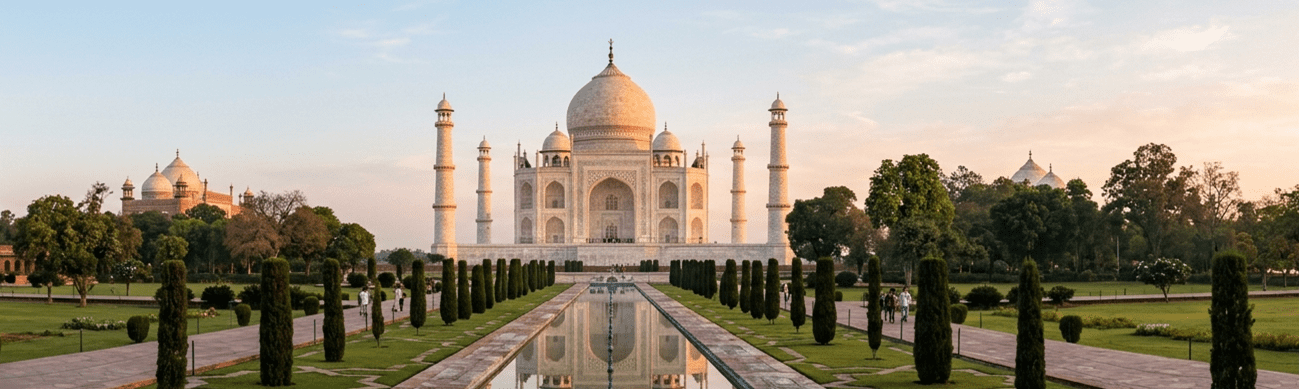
Taj Mahal is a stunning White Marble Mausoleum, located on the bank of Yamuna river in Agra district of Uttar Pradesh, India. It was built by the Fifth Mughal emperor “Shah Jahan” in the 17th century on the memory of his second wife Mumtaz Mahal.  

Taj Mahal is the Symbol of Love and a one of the master-piece of Mughal Architecture, Taj Mahal is renowned for its perfect symmetry, intricate inlay work and statue as a UNESCO World Heritage site and one of the Seven Wonders of the world. 

Symbol of Love

The Taj Mahal is Known as the “Symbol of Love” because it was built by the Fifth Mughal Emperor Shah Jahan on the memory of his beloved Wife Mumtaz Mahal, who was not only his wife but also his trusted advisor and always stand on his side when he take any decision. 
 
In 1631, Mumtaz Mahal was died on giving birth to their fourteenth child, Her death deeply affected Shah Jahan and he went into mourning (Shok) for a long time. After Recovering from her death, he decide to built a grand mausoleum to express his immense grief, everlasting love and honor her memory forever. 

The Great Architectural Design

The Architectural Design of Taj Mahal is one of the Master piece and finest achievements of Mughal architecture, blending Persian, Islamic and Indian styles at that time. 
 
The Area of the Taj Mahal is spread over 42 acres (approximately), and is carefully planned along a central north-south axis. It includes Main Mausoleum, large char-bagh (four part) garden, mosque, guest house and a grand entrance gate (Darwaza-i-Rauza). The entire layout is based on symmetry and everything is aligned along a central water channel that reflect the image of mausoleum.

Main Mausoleum

The Mausoleum is built entirely from White Makrana Marble, known for its strength and luminous quality. The base structure is square with chamfered corners, giving it an octagonal appearance. With each side has a large central arch (Iwan) framed by smaller arches, which creating a sense of depth and balance.  

The Charbagh Garden

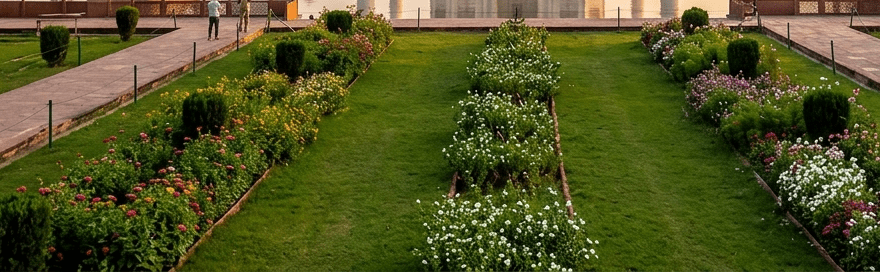
The Charbagh Garden follows the Persian style, because it is divided into four equal sections by water channels and walkways. These four parts symbolize the four rivers of paradise mentioned in Quran. The tomb of Mumtaz Mahal was placed at the centre of the garden. 

Changing Color of Taj Mahal

The Taj Mahal was built with translucent Makrana white Marble, which changes color throughout the day and the wall of Taj Mahal is decorated with precious stone like turquoise, lapic lazuli, Jade, Crystals etc.
  • In Morning Time, it appears in “Pinkish Color”.
  • In Evening Time, it appears in “Milky Misit Color”.
  • In Night Time, it appears in “Golden Color”.

UNESCO World Heritage Site

The Taj Mahal was designated as a UNESCO World Heritage site in 1983 for being “The Jewel of Muslim art in India and of the universally admired masterpieces of the world heritage”.
Places to Visit in Taj Mahal

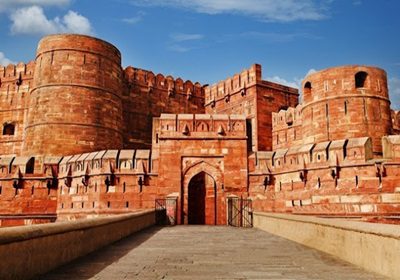
Agra Fort

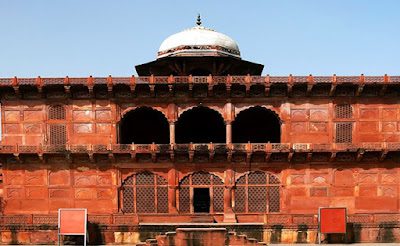
Agra Fort is one of the historical monuments in India, located about 2 km from Taj Mahal. It was the main residence and seat of power for the Mughal Dynasty till 1565 and was designated a UNESCO World Heritage Site in 1983 due to its immense historical and architecture significance. 
Agra Fort

Itmad-ud-Daula

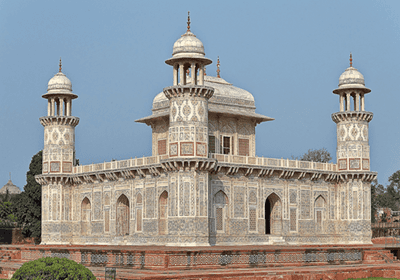
Itmad-ud-Daula is a stunning Mughal mausoleum commissioned by Nur Jahan (twentieth wife of the Mughal Emperor Jahangir) for her father Mirza Ghiyas Beg. Itmad-ud-Daula is popularly known as the “Baby Taj“, because it is a smaller, built earlier and structurally similar to the Taj Mahal. 

Taj Mahal

Mehtab Bagh

Mehtab Bagh is a historic Mughal garden located directly opposite to the Taj Mahal on the bank of Yamuna river, it was built in 16th century by Emperor Babur and later redesigned by Shah Jahan. It was develop to enhanced the beauty of Taj Mahal and their surrounding. Mehtab Bagh is especially famous for offering one of the best sunset views of the Taj Mahal. 
Taj Mahal

Taj Museum

Taj Museum is located inside the Taj Mahal near the western Jal Mahal (Water Pavilion), The Taj Museum consists of original Mughal miniature paintings, royal farmans (orders), coins, calligraphy samples, portraits of Shah Jahan and Mumtaz Mahal and it helps visitors to understand the artistic design, craftsmanship and historical background of Taj Mahal. 

Taj Mahal

Anguri Bagh

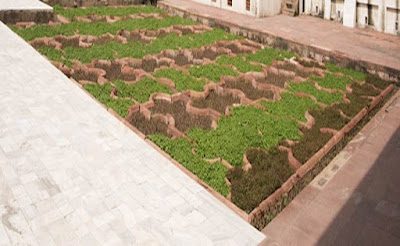
The name Anguri Bagh means “Grape Garden”, it is a beautiful Mughal garden located inside the Agra Fort. As it was originally designed for growing grapes and other fruits for the royal household, and it serves as a private retreat for the Mughal queens and royal ladies. 

Taj Mahal

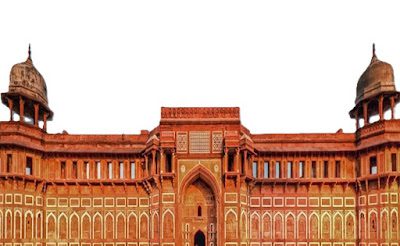
Jahangir Palace

Jahangir Palace is one of the most important and well preserved structure located inside the Agra Fort, it was built in 16th century by Emperor Akbar. The Palace was mainly designed as a royal residence for the women of the Mughal court. 

Taj Mahal

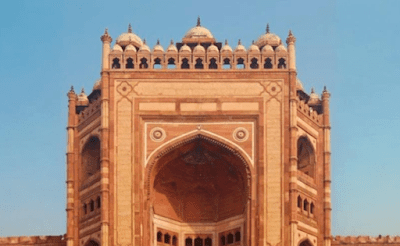
Fatehpur Sikri

Fatehpur Sikri is a historic city, located near Agra. It was built by the third Mughal Emperor Akbar in 1571 as the capital of his empire. Fatehpur Sikri is famous for the massive Buland Darwaza gate, Jama Masjid and the inticate, blended style of palaces like Panch Mahal.

Taj Mahal

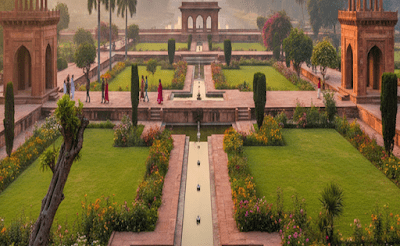
Ram Bagh

Ram Bagh is also known as the Aram Bagh, which is one of the oldest Mughal garden in India, it was designed in the Persian charbagh style, which divides area into four parts with water channels and pathways and it features a terraced lawns, fountains, pavilions and shaded walkways, offering a peaceful atmosphere and relaxing place for the Mughal rulers.at that time. 

Taj Mahal

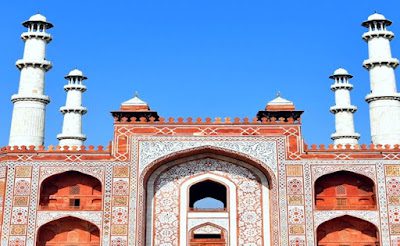
Akbar Tomb (Sikandra)

Akbar Tomb, located in Sikandra, Agra, it is the final resting place of the Mughal emperor Akbar. The tomb is an excellent example of Mughal Architecture, Islamic, Hindu, Buddhist and Jain design element and it featuring a unique four-tiered pyramidal structure made of red stone and white marble, the structure features intricate carvings geometric patterns and calligraphy.  

Taj Mahal

How to Reach Taj Mahal

Agra Airport
Agra Cantt
Agra is well-connected by road, You can take state buses, taxes from Dehradun or directly from Delhi (approx 290 km).

Explore More Places in India

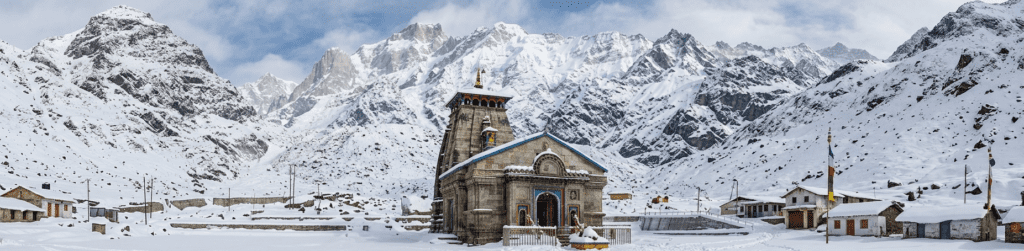
Kedarnath

Kedarnath

Kedarnath Temple is dedicated to Lord Shiva, it is one of the jyotirlinga and one of char dham of Uttarakhand.

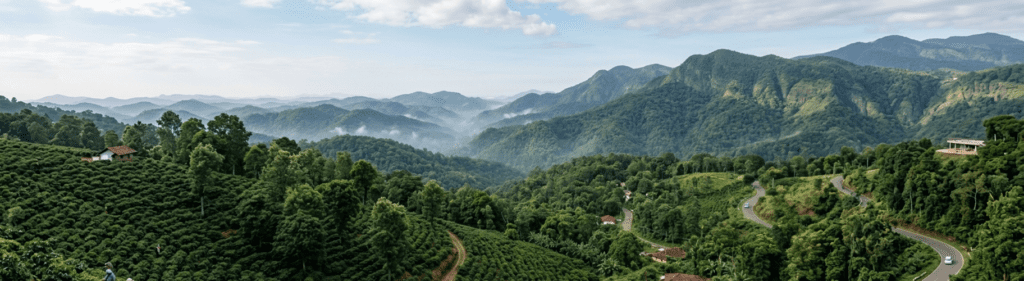
Coorg

Coorg

Coorg is a picturesque hill station famous for its coffee plantation, misty hills, lush green forests and rich cultural heritage.

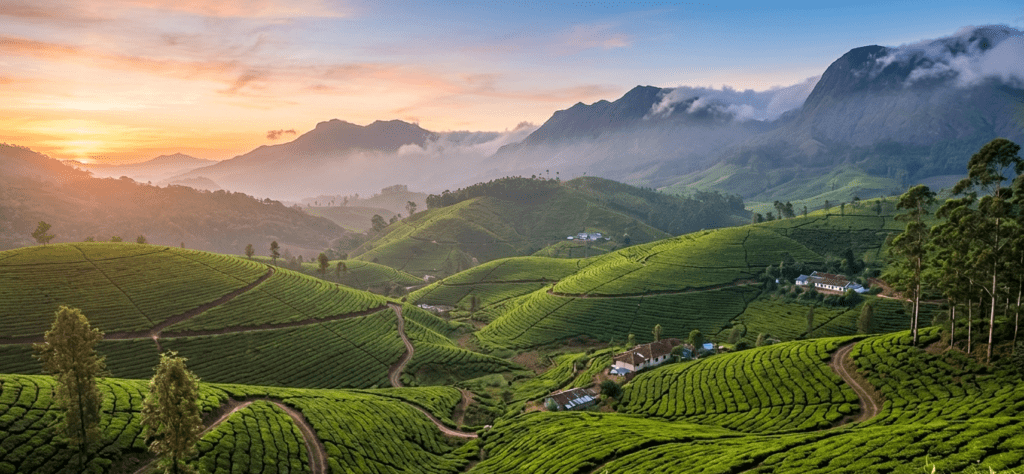
Munnar

Munnar

Munnar is one of the famous Hill Station located in Idukki district of Kerala, known for its rolling tea plantation, misty hills and cool climate.

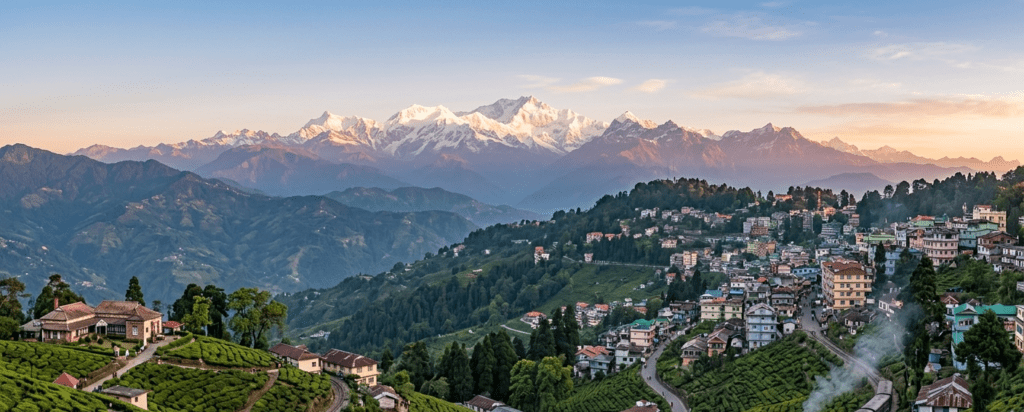
Darjeeling

Darjeeling

Darjeeling popularly known as Queen of the Hills, famous for tea cultivation all over the World as a “Champagne of Teas”.

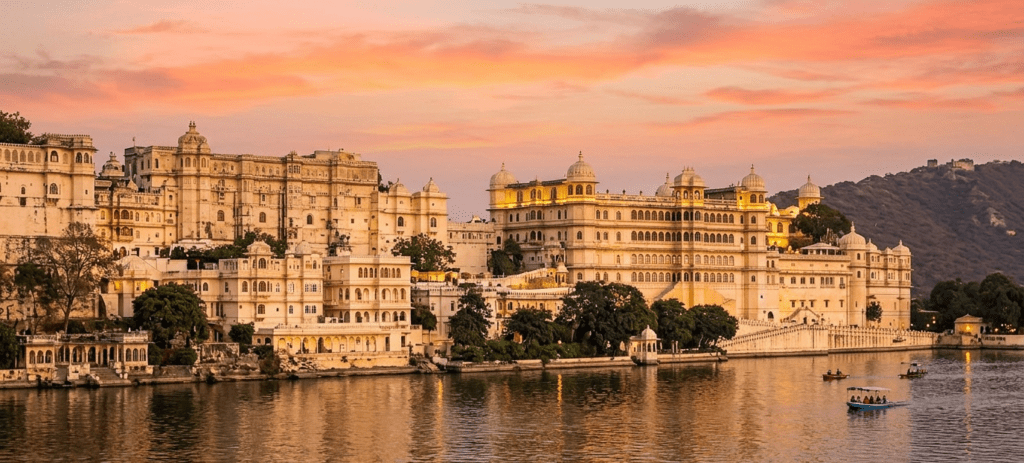
Udaipur

Udaipur

Udaipur popularly known as “City of Lakes”, famous for its scenic beauty, palaces, lakes and vibrant traditions.

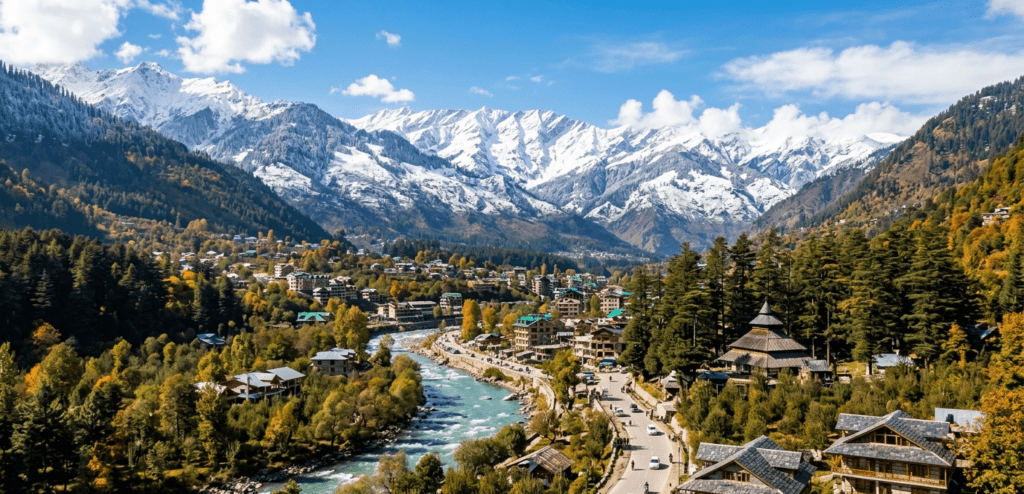
Manali

Manali

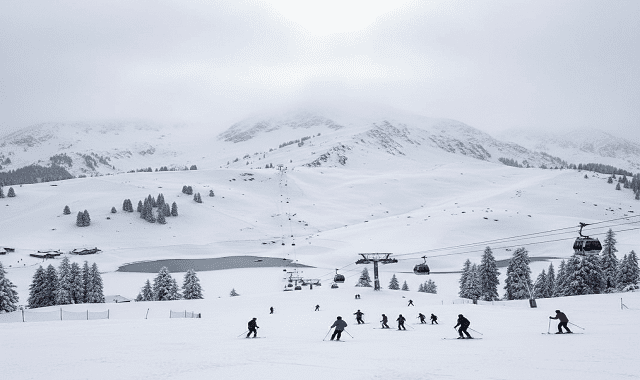
Manali is a picturesque hill station and snow covered mountain, located in the Kullu Valley of Himachal Pradesh.

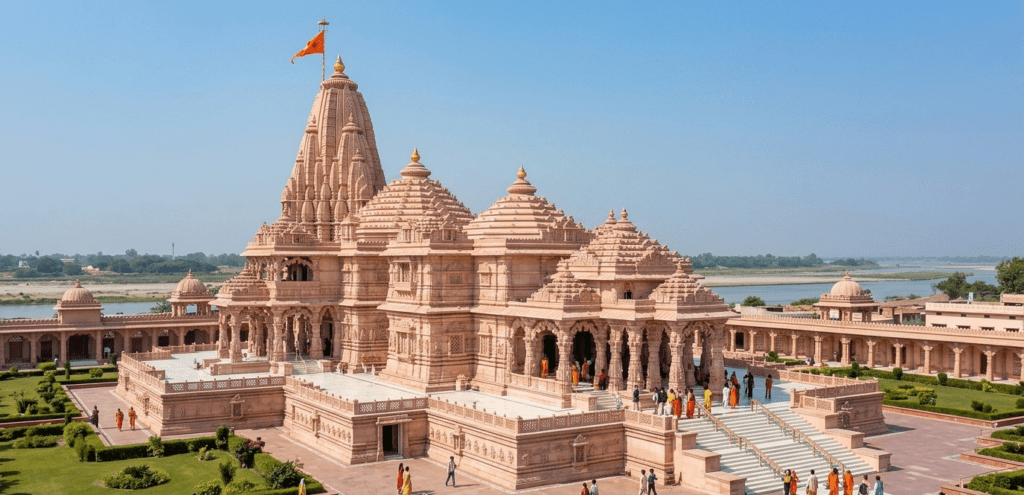
Ayodhya

Ayodhya

Ayodhya is the birth place of Bhagwan Shri Ram and It is the Headquarter of Ayodhya District and Ayodhya Division.

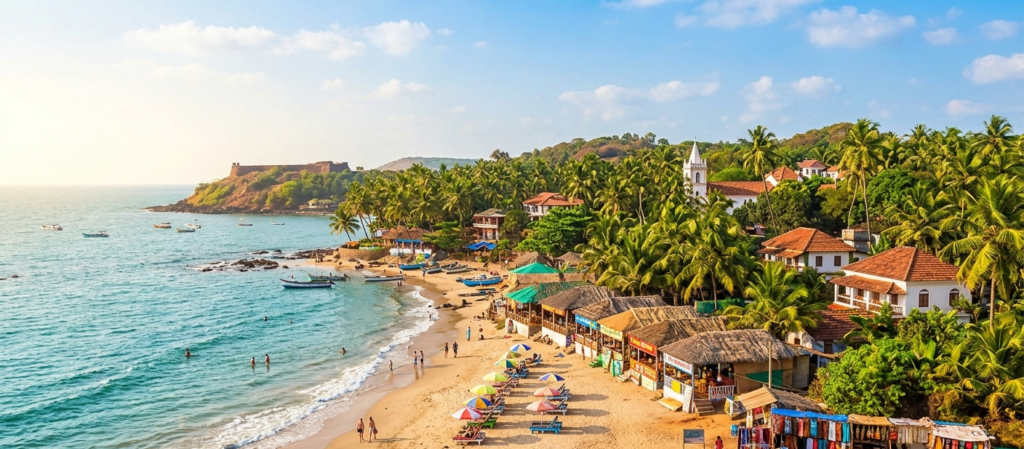
Goa

Goa

Goa is the smallest state of India, located on the western side. Famous for stunning beaches like Baga, Calangute, Anjuna, and Palolem.

Gulmarg

Gulmarg

Gulmarg is one of the famous hill station located in Baramulla district of Jammu and Kashmir.

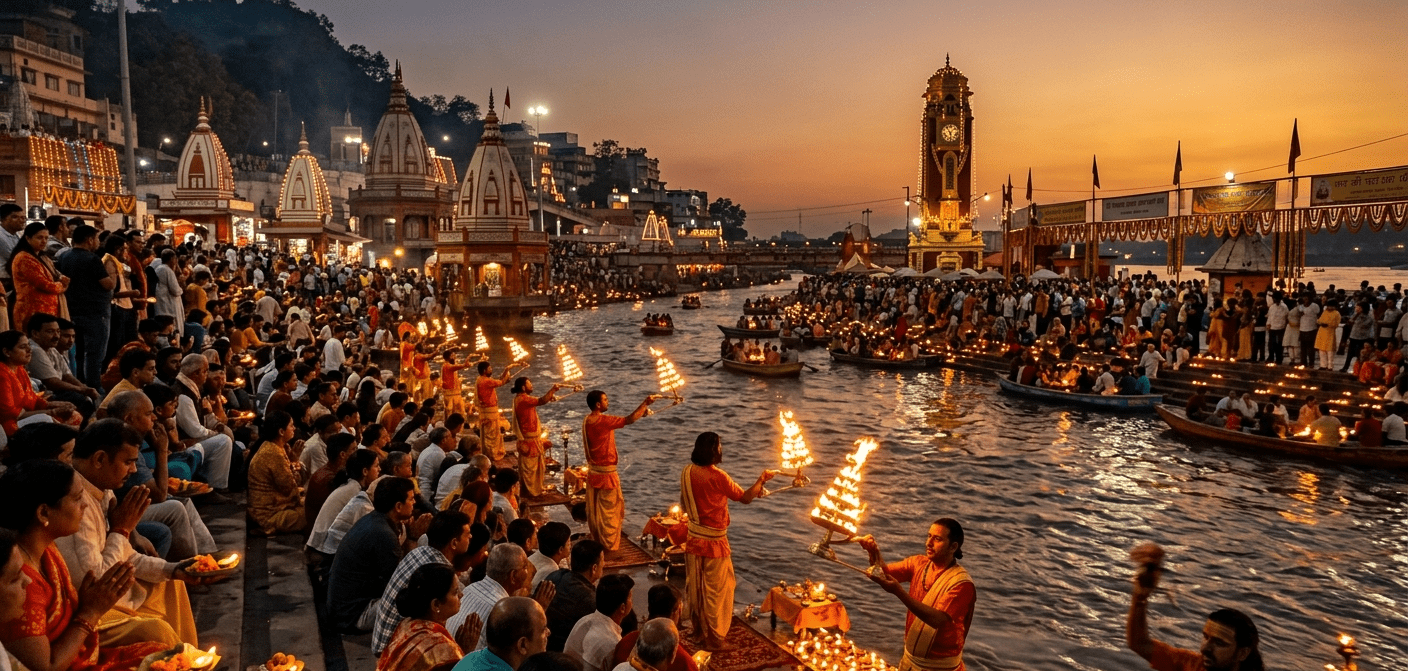
People gathered at Har Ki Pauri ghat for Ganga Aarti

Haridwar

Haridwar is one of India most reversed spiritual and major pilgrimage site, located on the bank of sacred Ganga River in Uttarakhand. 

Spiti Valley

Spiti Valley

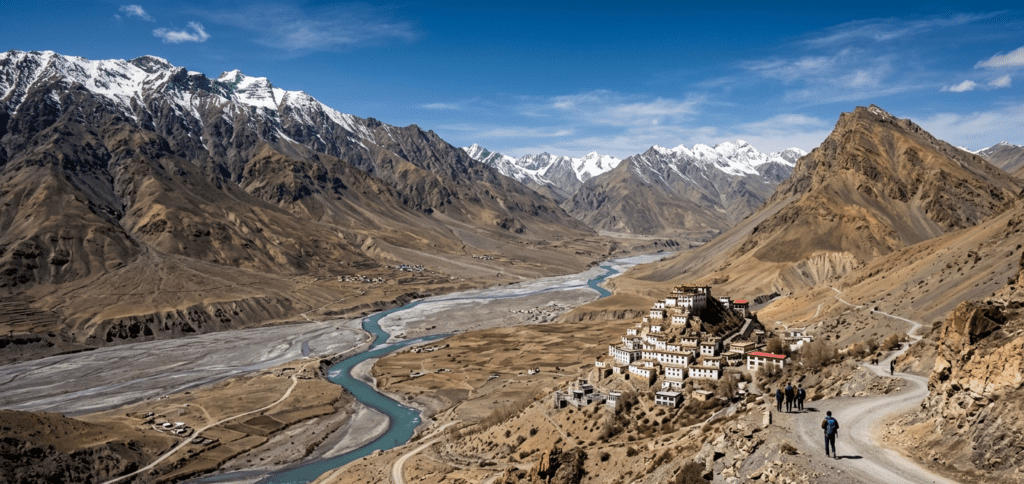
Spiti Valley often known as “Little Tibet”, it is one of the coldest mountain valley located at an high altitude of 3800 m in Himachal Pradesh.  

Puducherry

Puducherry

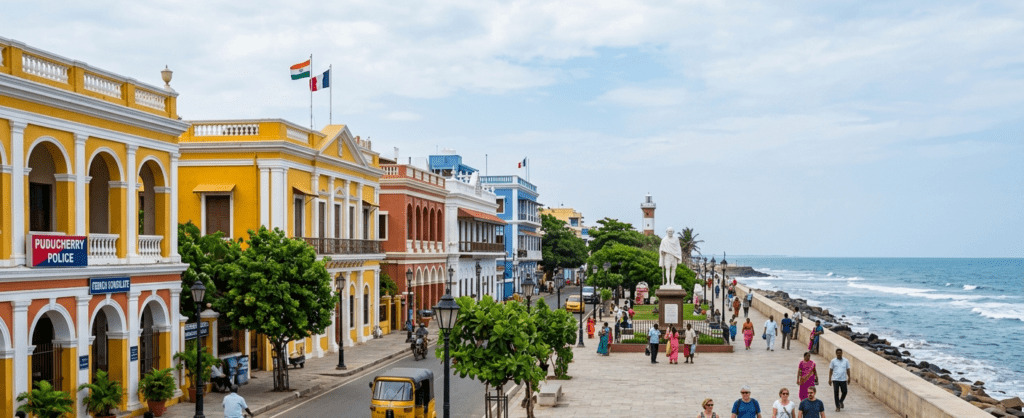
Puducherry is a Union Territory of India and It is unique among other territories because it consists of four separate region include. 

Leave a Comment

Your email address will not be published. Required fields are marked *

Scroll to Top